Living with Fibromyalgia: My Journey
Through Pain, Diagnosis, and Resilience.
Fibromyalgia is often described as an invisible illness — but for those living with it, its impact is impossible to ignore.
For me, fibromyalgia has changed almost every aspect of my life. From chronic pain and exhaustion to brain fog and emotional struggles, it has been a long and difficult road. But it has also taught me resilience, patience, and the importance of support.
I wanted to share my story because I know how isolating chronic illness can feel, especially when you’re searching for answers and nobody seems to fully understand what you’re going through.
The Beginning: When Something Didn’t Feel Right
My journey began in February 2020 when I became ill with what I believe was COVID-19, just before the first UK lockdown.
Testing was extremely limited at the time, and according to local reports, there were only a handful of confirmed cases in Wales. I wasn’t hospitalised, but I experienced severe symptoms including a persistent cough, high fever, headaches, and extreme breathlessness.
Although I eventually recovered from the initial illness, I never truly felt the same afterwards.
By October 2020, I noticed my energy levels dropping dramatically. Everyday tasks left me exhausted, and I would often find myself falling asleep unexpectedly, even during conversations or while out socially. Then came the aches and pains — first in my feet and calves, then my neck, shoulders, and back.
At first, I tried to brush it off. I assumed it was stress, exhaustion, or simply getting older. But deep down, I knew something wasn’t right.
The Long Road to Diagnosis
Like many people with fibromyalgia, my diagnosis journey was long, frustrating, and emotionally draining.
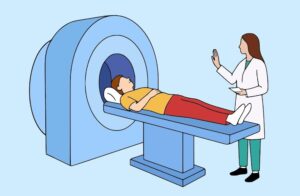
Over the following months and years, I underwent countless tests including blood tests, scans, X-rays, a virtual colonoscopy, and eventually a full-body MRI. Time after time, everything came back “normal.”
While it was reassuring that nothing serious was showing up, it also became increasingly frustrating. I was clearly struggling physically, yet there never seemed to be an explanation.
I was prescribed various medications along the way including Gabapentin, Pregabalin, Amitriptyline, Duloxetine, and Co-codamol. Some helped slightly, while others came with side effects that were difficult to tolerate.
Eventually, after referrals to neurology, nephrology, and rheumatology, I was finally diagnosed with fibromyalgia.
Receiving the diagnosis was bittersweet. On one hand, it was a relief to finally have answers. On the other, I realised there was no quick fix.
What Fibromyalgia Actually Feels Like
People often hear the word “fibromyalgia” without truly understanding what it involves.
Yes, there’s pain — sometimes widespread and intense — but it’s so much more than that.
Fibromyalgia can affect:
- Energy levels
- Sleep
- Memory and concentration
- Mood and mental health
- Sensitivity to light, sound, and temperature
- Digestion and headaches
Some days feel manageable. Other days, even simple tasks can feel overwhelming.
One of the hardest parts is the unpredictability. Symptoms can change not just day to day, but hour to hour.
The Impact on Work and Daily Life
As my symptoms worsened, daily life became increasingly difficult.
Eventually, I had to leave work because my body simply couldn’t keep up anymore. Losing that part of my identity was incredibly hard. Like many people with chronic illness, I struggled with feelings of guilt, frustration, and loss.
I later tried returning to work in different roles, including developing food products for coffee shops and working at the Tea Rooms at Castell Coch. I’m incredibly grateful for the kindness and understanding shown by colleagues during that time.
But by 2024, my symptoms had progressed to the point where continuing to work was no longer realistic.
That was a difficult thing to accept.
Mental Health and Chronic Illness
Living with chronic pain doesn’t just affect you physically — it affects you emotionally too.
There were times where I felt hopeless, isolated, and emotionally exhausted. The uncertainty of fibromyalgia, combined with constant pain and fatigue, can take a real toll on mental health.
At one point, things became so overwhelming that my wife contacted the mental health crisis team because she was worried about me.
Thankfully, over time, things slowly began to improve.
Support groups, counselling, pacing myself, and writing openly about my experiences all helped me regain some sense of purpose and connection.
Starting this website became part of my recovery emotionally. Writing gave me an outlet and reminded me that I wasn’t completely alone in this experience.
Finding Support and Learning to Adapt
One of the most valuable things I’ve learned is that support matters.
Whether it’s through physiotherapy, support groups, online communities, counselling, or simply talking to others who understand chronic illness, connection can make an enormous difference.
I also completed an NHS pain self-management course through EPP Cymru, where I met others facing similar challenges. Although I struggled at times due to fatigue and brain fog, the understanding within that group was incredibly comforting.
Physiotherapy also introduced me to Nordic Pole Walking, which surprisingly helped improve both my mobility and confidence.
These days, I try to focus less on “fighting” my body and more on working with it. Planning, pacing, rest, and self-compassion have become essential parts of daily life.
Why Awareness Matters
Despite affecting millions of people, fibromyalgia is still widely misunderstood.
Many people living with fibromyalgia face scepticism, stigma, or comments like:
- “But you don’t look ill.”
- “Everyone gets tired.”
- “Maybe you just need more exercise.”
What many people don’t see is the constant balancing act happening behind the scenes just to get through the day.
Raising awareness matters because understanding creates empathy — and empathy can make an enormous difference to someone struggling silently.

Final Thoughts
Fibromyalgia has changed my life in ways I never expected.
It has taken things from me, challenged me mentally and physically, and forced me to completely rethink what daily life looks like. But it has also taught me resilience, patience, and the importance of slowing down.
I still have difficult days. I still struggle. But I’m learning that life with fibromyalgia doesn’t have to mean giving up hope.
If you’re reading this while navigating your own chronic illness journey, please know this:
You are not lazy.
You are not weak.
And you are not alone.